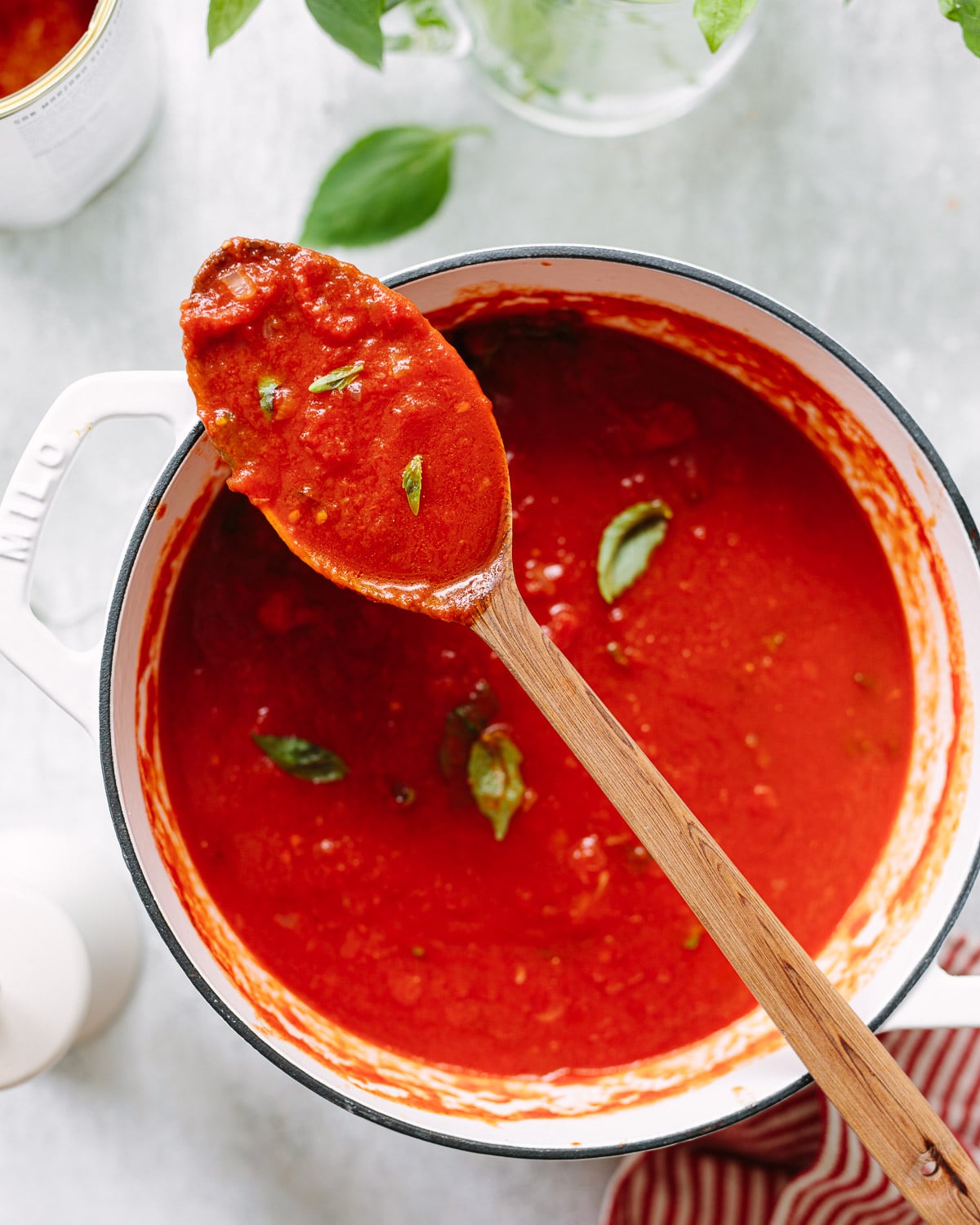
Quick Marinara Showdown: 20 vs 45 Minute Homemade Sauces
There are few culinary delights as comforting and versatile as a rich, aromatic marinara sauce. It's the backbone of countless Italian dishes, from simple pasta to elaborate lasagna. While store-bought jars offer convenience, nothing truly compares to the vibrant, fresh taste of
homemade marinara sauce. But in our fast-paced world, time is often a luxury. This begs the question: can you achieve authentic flavor in a flash, or is a longer simmer always superior? Today, we're pitting the speedy 20-minute marinara against the more leisurely 45-minute classic to uncover which reigns supreme for your kitchen and your cravings.
The 20-Minute Wonder: Speed Without Sacrifice?
When hunger strikes and time is scarce, a 20-minute homemade marinara sauce can feel like a culinary miracle. This express version isn't about cutting corners on taste, but rather optimizing ingredients and technique for maximum flavor in minimal time. The key here lies in using already processed tomatoes and leveraging quick-cooking aromatics.
For a rapid marinara, the foundation often starts with good quality olive oil heated in a skillet. Finely diced or even grated onion is sautéed over medium heat until translucent, a process that takes about 5-7 minutes. The smaller dice allows the onion to soften and release its sweetness much faster than larger pieces. Next, minced garlic is added, cooking for just about a minute until fragrant – be careful not to burn it, as burnt garlic can turn bitter.
One critical ingredient for speed is the choice of tomato. Instead of whole peeled tomatoes that need to break down, recipes for quick marinara often call for passata (strained tomatoes) or good quality crushed tomatoes. These forms are already smooth or finely textured, significantly reducing the simmering time required for the sauce to achieve body and richness. Once the tomatoes are introduced, along with a pinch of salt, pepper, and perhaps a touch of dried oregano or fresh parsley, the sauce only needs to simmer on low heat for about 10-15 minutes. This brief simmer allows the flavors to meld without requiring extensive breakdown of ingredients.
Our analysis: The 20-minute marinara shines for its bright, lively, and often garlicky flavor profile. It's incredibly fresh-tasting, perfect for coating pasta on a busy weeknight, serving as a quick pizza base, or dipping crusty bread. While it may not develop the profound depth of a longer-simmered sauce, its immediacy and vibrant character are undeniably appealing. The secret to its success is high-quality, pre-processed tomatoes and quick, precise cooking of aromatics.
The 45-Minute Classic: Depth, Richness, and Authentic Italian Flavor
For many purists, the true essence of homemade marinara sauce is unlocked through a more patient approach. The 45-minute simmer allows flavors to deepen, meld, and transform, resulting in a sauce that boasts a complex, well-rounded, and utterly "enchanting" character. This method often prioritizes a hands-off approach after initial preparation, letting time do much of the heavy lifting.
The journey to this richer marinara typically begins with a generous swirl of quality olive oil. Here, some recipes brilliantly simplify the aromatic step: instead of finely chopping, you might simply halve an onion and peel a couple of whole garlic cloves. These larger pieces are gently sautéed, allowing their flavors to infuse the oil more subtly over a longer period. This "no-chopping" approach makes the prep incredibly easy, easing the intimidation factor for many home cooks.
Once the aromatics have softened and released their fragrance (which might take a bit longer with larger pieces, perhaps 10-15 minutes), the next step often involves deglazing the pan. A splash of dry white wine, cooked on high heat until almost evaporated, scrapes up any delicious brown bits (fond) from the bottom of the skillet, adding another layer of complexity to the sauce. This is a technique Ina Garten often employs, and it truly elevates the final taste.
For the tomatoes, whole peeled San Marzano tomatoes are often the preferred choice for a 45-minute marinara. These exceptional Italian tomatoes are known for their sweet, balanced flavor and tender texture, which allows them to break down beautifully during a longer simmer. Once added to the pot along with dried oregano, salt, pepper, and perhaps a pinch of red pepper flakes for a subtle kick, the sauce is brought to a gentle simmer. Covering the pot and letting it cook on the lowest heat for a full 45 minutes allows the tomatoes to fully break down, their natural sugars to caramelize slightly, and all the flavors to marry into a harmonious, deeply satisfying whole. At the end, the softened onion halves and garlic cloves can be easily retrieved and discarded, or for an even richer sauce, smashed against the side of the pot and stirred in.
Our analysis: The 45-minute homemade marinara sauce delivers on its promise of rich, authentic Italian flavor. The extended simmer mellows any harsh acidity from the tomatoes and allows the aromatics to deeply infuse the sauce. The result is a velvety texture and a profound depth of flavor that can't be rushed. This sauce is ideal for when you have a bit more time on your hands, for weekend cooking, or when you want your pasta dish to truly sing. It also excels as a foundational sauce for dishes like lasagna or as the base for an truly incredible pizza. For more ideas on how to use this versatile sauce, check out
Beyond Pasta: Versatile Homemade Marinara for Pizza & More.
Beyond the Clock: Tips for Elevating Any Homemade Marinara Sauce
Whether you opt for the lightning-fast 20-minute version or the slow-and-steady 45-minute classic, a few universal principles can elevate your homemade marinara sauce to new heights.
- Quality Ingredients are King: This cannot be stressed enough. Start with the best canned tomatoes you can find – San Marzano are often cited as the gold standard for their balanced sweetness and low acidity. Use a good quality extra virgin olive oil. Fresh aromatics are also crucial; avoid pre-minced garlic or dried onion flakes.
- Don't Fear Seasoning: Salt and freshly ground black pepper are non-negotiable. Taste your sauce throughout the cooking process and adjust. A pinch of sugar can help balance the acidity of tomatoes if they're particularly tart, but it's often unnecessary with good quality tomatoes and a proper simmer. Red pepper flakes add a wonderful warmth.
- Fresh Herbs at the End: While dried herbs like oregano are excellent during the simmer, a sprinkle of fresh basil or parsley added just before serving can brighten the entire dish. The heat of the sauce will gently wilt them, releasing their vibrant aromas.
- Sauté Aromatics Properly: Whether quick-dicing for speed or using whole pieces for a longer infusion, ensure your onions are translucent and fragrant, and your garlic is golden (not burnt). This step builds the foundational flavor of your sauce.
- Simmer Gently: A rolling boil will evaporate liquid too quickly and can result in a thinner, less flavorful sauce. A gentle simmer allows the flavors to meld and develop slowly, creating a richer texture and deeper taste.
- Storage and Freezing: Homemade marinara freezes beautifully. Prepare a double batch and store portions in airtight containers or freezer bags for quick meals later. It can last for several months in the freezer, making future weeknights even easier.
Ultimately, the best homemade marinara sauce is the one that fits your schedule, your taste preferences, and your culinary ambitions. Both the 20-minute and 45-minute versions offer distinct advantages and delightful results. The speedy option provides vibrant, fresh flavor perfect for a busy evening, while the longer simmer yields a deeper, more complex sauce reminiscent of traditional Italian kitchens. Experiment with both, find your favorite, and savor the incredible satisfaction of making truly delicious Italian food right in your own home. Buon appetito!